Hospital and clinical waste management services in London
In the heart of London and the South-East, hospitals and clinics manage substantial clinical and hazardous waste. Struggling with hospital waste management? Discover how Greenline Environmental can aid in your waste disposal processes, making them safer, more efficient, and environmentally friendly.
- 0800 644 1248
- or -
Fill out the form to get your free, no-obligation quote
Why choose Greenline Environmental for clinical waste management services?
Eco-friendly solutions
Our clinical and hospital waste management services prioritise eco-friendly processing, utilising advanced recycling and reusing methods to minimise environmental impact and enhance sustainability in your healthcare facility.
Flexible collection options
We provide adaptable waste collection schedules—daily, weekly, or monthly—and 24/7 service to ensure minimal disruption to hospital operations, offering efficient and reliable waste management tailored to your needs.
Tailored customer service
Our professional team delivers prompt and bespoke customer service, addressing the unique waste management requirements of your clinical and hospital settings to ensure effective and compliant waste handling.
Environmentally friendly hospital waste management throughout London
Every organisation has responsibility to do everything possible to protect our planet, across every aspect of its operations.
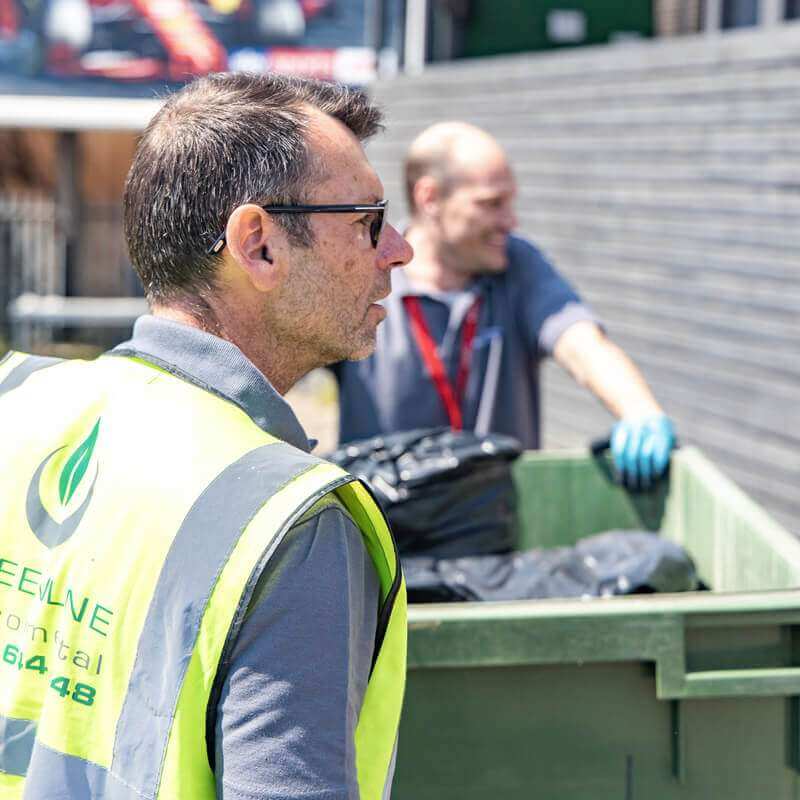
At Greenline, eco-friendly waste collection and disposal are fundamental. We use waste transfer stations that prioritise reuse, recycling, and renewal. We optimise our procedures to minimise environmental impact and support businesses in implementing greener practices. Partnering with us in London or the South East helps reduce your ecological footprint.
Providing clinical waste management to London & the South East
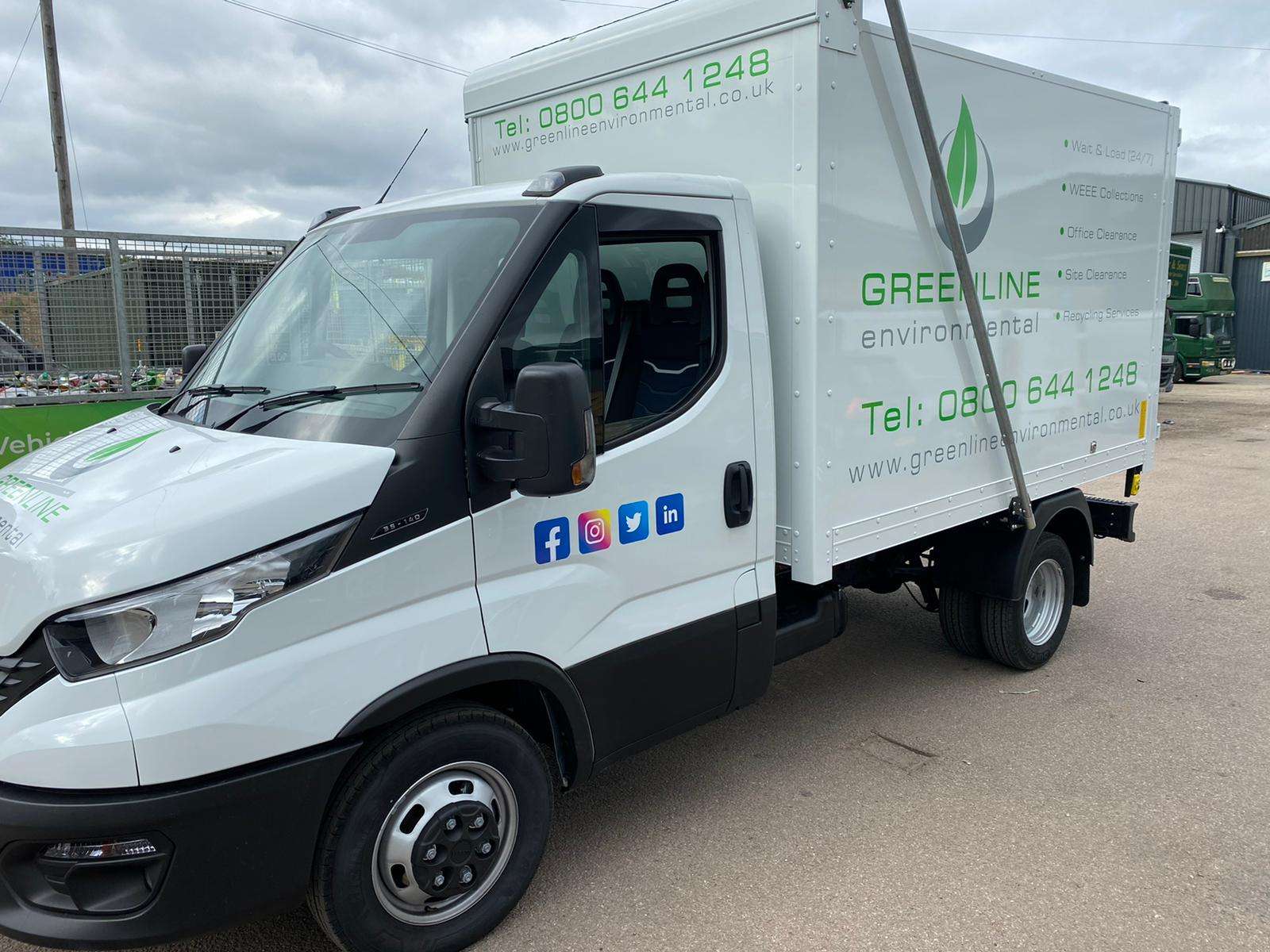
Discover our expert hospital waste management services across London. From North to South, East to West, we handle all aspects of clinical waste management, ensuring compliance and safety. Our team provides reliable solutions for managing hospital waste, safeguarding both staff and patients.
We also offer specialised clinical waste management services in Hertfordshire and parts of Essex, delivering tailored solutions to meet your specific needs and enhance operational efficiency. Trust us to manage your hospital’s waste effectively and responsibly.
Clinical waste management services we offer
FAQs for clinical waste management
What is clinical waste?
Clinical waste refers to any waste that poses a risk of infection, contamination, or injury, and is typically generated in healthcare and comparable settings. Understanding what constitutes clinical waste is essential for its proper management. Here are some common types of clinical waste:
- Sharps: needles, syringes, and other sharp instruments that can cause injury.
- Infectious waste: Materials contaminated with blood or other bodily fluids, including dressings, swabs, and tissues.
- Pharmaceutical waste: Expired or unused medications.
- Pathological waste: Human tissues, organs and fluids.
- Chemical waste: Disinfectants, solvents, and other hazardous chemicals.
- Laboratory waste: Specimen containers, culture dishes, and other lab materials.
- Personal protective equipment (PPE): Used gloves, masks, gowns, and other protective gear.
Proper identification and segregation of clinical waste are critical to ensuring its safe and effective disposal. This will help us to minimise contamination and develop a smooth waste disposal stream to divert as much
Which facilities & businesses produce clinical waste?
Clinical waste is not limited to hospitals and clinics. Various facilities and businesses across London produce clinical waste that requires specialised management. These include:
- Hospitals – Hospitals generate significant amounts of clinical waste, including infectious waste, sharps, pharmaceuticals, and more. Efficient waste management in hospitals is crucial to maintaining a safe environment for patients and staff.
- Clinics – Smaller healthcare settings, such as clinics, also produce a variety of clinical waste. Proper disposal methods are essential to prevent contamination and ensure regulatory compliance.
- Dental Practices – Dental practices generate sharps, amalgam waste, and other materials that need careful handling and disposal.
- Veterinary Clinics – Veterinary clinics produce similar types of waste as human healthcare facilities, including sharps, pharmaceuticals, and biological waste.
- Laboratories – Research and diagnostic laboratories produce a range of hazardous and infectious waste that requires specialised disposal methods.
- Pharmacies – Pharmacies must dispose of expired or unused medications safely, preventing them from entering the environment.
- Tattoo Parlours – Tattoo parlours generate sharps and other materials that need to be managed as clinical waste to prevent injury and infection.
- Nursing Homes – Nursing homes produce a mix of clinical waste, including sharps, pharmaceuticals, and contaminated materials.
How do we dispose of clinical waste?
At Greenline Environmental, we take pride on our rigorous and environmentally responsible approach to clinical waste disposal. Different types of waste require different disposal methods to ensure it is removed correctly.
Here’s how we manage the process:
- Segregations: Clinical waste bins with different coloured lids (depending on the type of waste) are provided to separate infectious waste, non-hazardous pharmaceuticals, cytotoxic/cytostatic waste and anatomical waste. We may also use clinical waste disposal bags that are either yellow, orange or tiger, for soft waste.
- Collection: We provide reliable and scheduled waste collection services, ensuring that your clinical waste is collected efficiently and on time. Our trained professionals handle waste with care, adhering to strict safety protocols.
- Disposal: After treatment to neutralise any infectious agents, the waste is disposed of in accordance with environmental regulations. Non-hazardous materials may be sent to landfills, while hazardous waste is managed using specialised disposal methods to prevent environmental contamination.
- Documentation and Compliance: We provide comprehensive documentation and reporting to ensure that your waste management practices comply with all applicable regulations. This includes waste transfer notes, treatment certificates, and compliance reports.